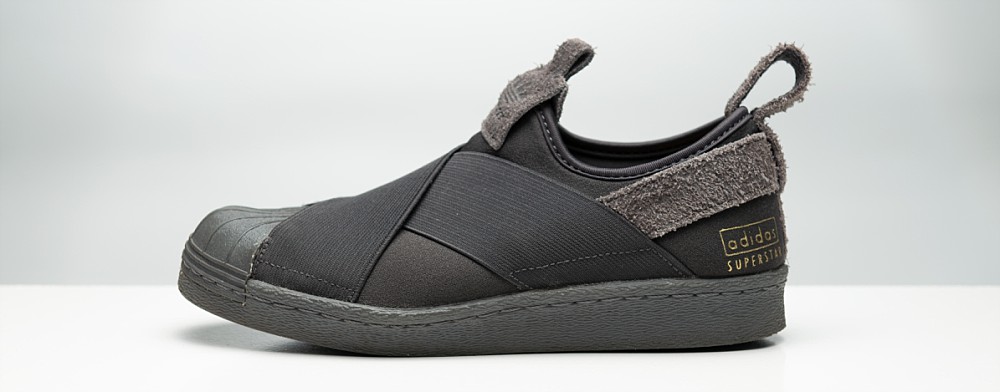
What Goes Into a Product Photoshoot: Behind the Scenes
Many people think product photography is all about having fancy gear and clicking buttons. While it’s true we do have fancy gear and yes, we press lots of buttons, good product photography involves much more than just the tools.
In this article, I’ll explain key techniques we use that help small business owners create e-commerce product photos that engage customers and inspire confident purchasing.
Lighting Textures

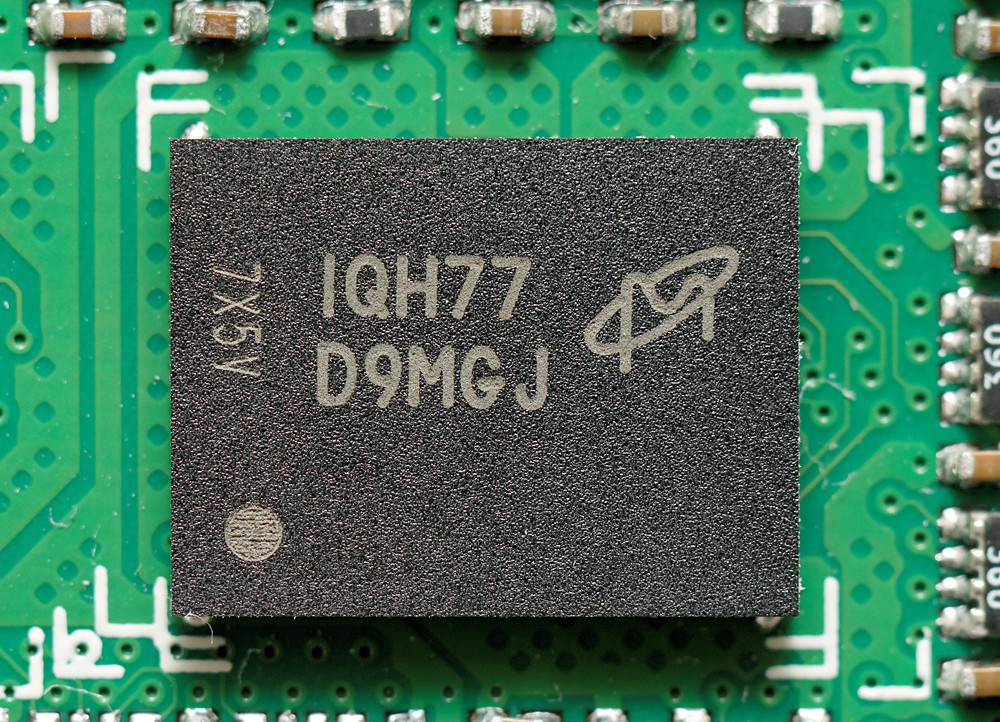
Lighting direction shapes how a product appears in photos. By adjusting the angle and placement of lights, we control how reflections and shadows interact with the surface of the object. This can either emphasise highlight surface details and depth or provide a clean, clear view. This choice depends on the desired outcome for the product image.

Soft reflections can also add some depth to the item, making it appear more three dimensional.
For this shoot, the packaging itself wasn’t the main focus, so the setup was designed to keep the look clean and distraction-free. The objective was to create an image that represents the product accurately for e-commerce platforms such as Amazon.

Ensuring Product Text is Fully in Focus

Customers want to see every detail clearly and read all product text, especially when shopping online.
It might come as a surprise to you that a professional camera cannot capture everything in sharp focus in a single shot. When parts of the product are at different depths, even if the difference is just 1cm, you get the effect above.
To solve this, we take multiple photos with different points in sharp focus. These shots are manually combined in post production. This process produces one final product photo where all key surfaces and text are sharp and easy to examine, helping customers make confident buying decisions.
Cleaning Flaws

After the photoshoot, we carefully clean up any flaws or imperfections in the packaging. Small scratches, dust, or dents can distract from the overall presentation and affect customer perception.
To help you get the best results, we also provide a guide on how to prepare your products so they are photo ready. This preparation reduces visible issues before shooting.
Despite careful preparation, some imperfections may still appear. Retouching these details in post production ensures your product images look polished and professional. Clean and flawless packaging helps build trust with customers and improves the quality of your e-commerce product photography.
Shooting for the Background Colour

Sometimes people don’t understand why we ask where the photograph will be used in its final form. Does it really make a difference? Yes it does!
Where your product photos will appear influences how we shoot and edit the images. The same product can look quite different against a white background compared to a coloured one.
For example, in image #1, the item appears too bright, almost nuclear on a grey background. It needs to be slightly darker to look natural, as shown in image #2.
Conversely, when an item is too dark on a pure white background can look heavy and unnatural (#3), while brightening it slightly (#4) makes it closer to how it looks in real life.
Good product photography means tailoring the image to suit its final use, ensuring it appears authentic and appealing wherever it’s displayed.
Product Definition

Some photographers throw everything into a light box to make it easy. But that approach results in flat lighting (#1) that lacks depth and makes the product less interesting or attractive.
In product photography, especially for small business owners selling on e-commerce sites or websites, controlling individual lights gives better product definition. By directing light carefully, we add shape and dimension that makes the image pop out to the customer.
For example, adjusting lighting on one side of a plastic bottle can reveal its rounded rectangular form (#2), helping online customers visualise the product more clearly. Adjusting the other side (#3) can enhance the readability of text on clear labels while also adding a little depth.
This customised approach ensures your product photos engage viewers, making them ideal for e-commerce and online marketing.
White Items

White products photographed on a white background can often appear grey. This often happens because the photographer didn’t fully consider the final use or the subtleties of lighting and exposure needed for these shots.
Even if the original photo looks fine before the background is changed to pure white, the product can appear dull once placed on the white backdrop. This is also true for transparent and translucent products.
Correctly managing white and transparent product photography requires attention to the shoot setup and often some post-production refinement. But the result is clean, clear product photos that meet platform standards like Amazon’s pure white background requirement and enhance your online marketing.



Conclusion
Effective product photography is about more than having a fancy gear—it’s about thoughtful preparation, lighting, focus, and editing tailored to where and how your images will be used.
Clean, clear images with correct focus, natural looking lighting, and flawless presentation will help your small business stand out and build customer trust.
High-quality product photography is a valuable investment in your small business that pays off through better e-commerce placement and stronger sales performance.
Check out what Executive Images provides and why it is a top choice for e-commerce platforms.